An outdoor phone camera mount, from field prototype to production batch.
Quality3Ds designed and printed a pole-mounted phone holder for an environmental monitoring team. After a field trial, we updated the CAD the same day and the client approved a batch of 10.
The problem
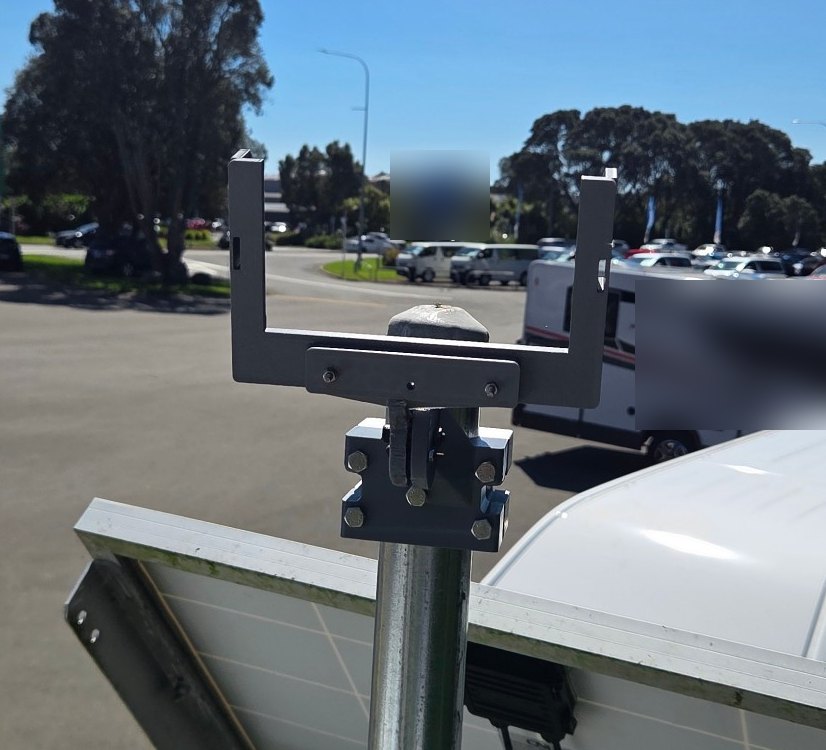
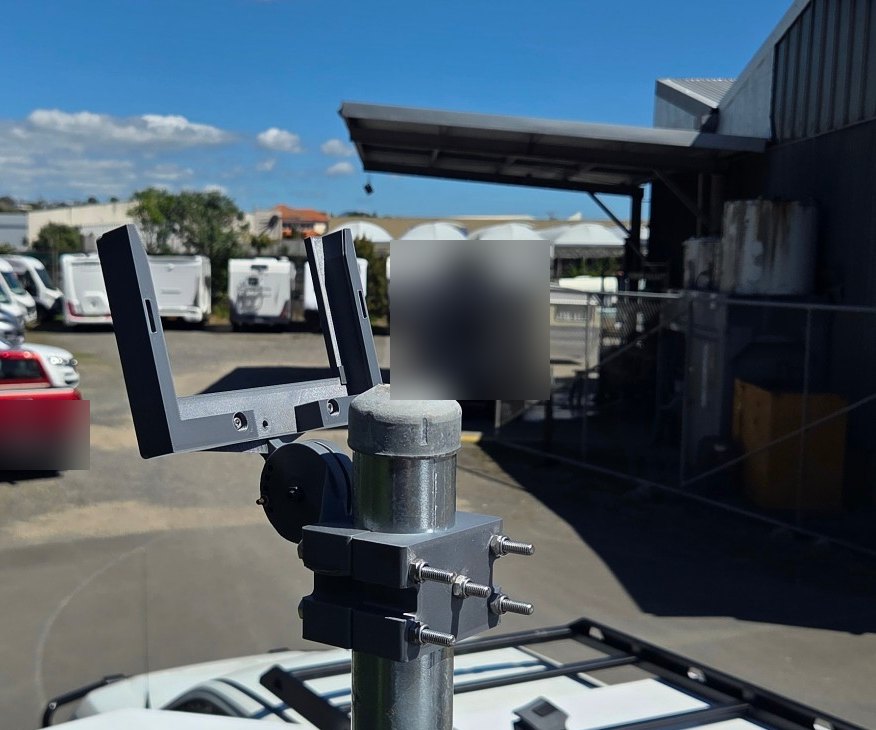
The client needed to clamp a phone to a galvanised pole outdoors and record video in the field, at an angle they could set and trust.
We printed a prototype and it went into the field on a real installation. The site feedback was clear: the tilt steps were too coarse, the tilt range was too limited, the clamp arm stopped the bolt head or nut sitting flush, and the phone could be put in upside down and still record.
The redesign
We met the client at 9am to go through the feedback and had the updated CAD to them that evening.
The design was developed in CAD using our own AI-to-CAD technology, which builds and checks parametric parts from written design inputs. That made it quick to apply each change, re-check clearances and send updated renders the same day. More about the technology is at aotearoalabs.co.nz.
What changed
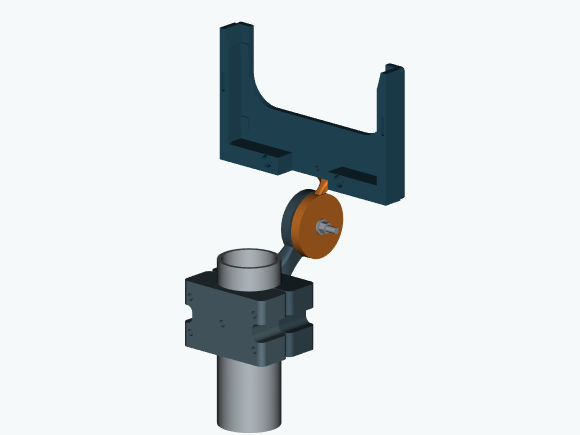
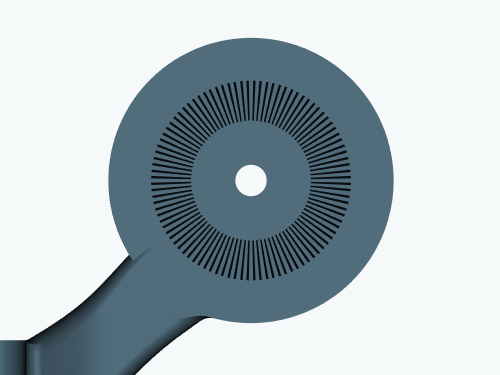
- Finer-tooth indexed pivot: 48 positions at 7.5° steps, locked by one M5 bolt.
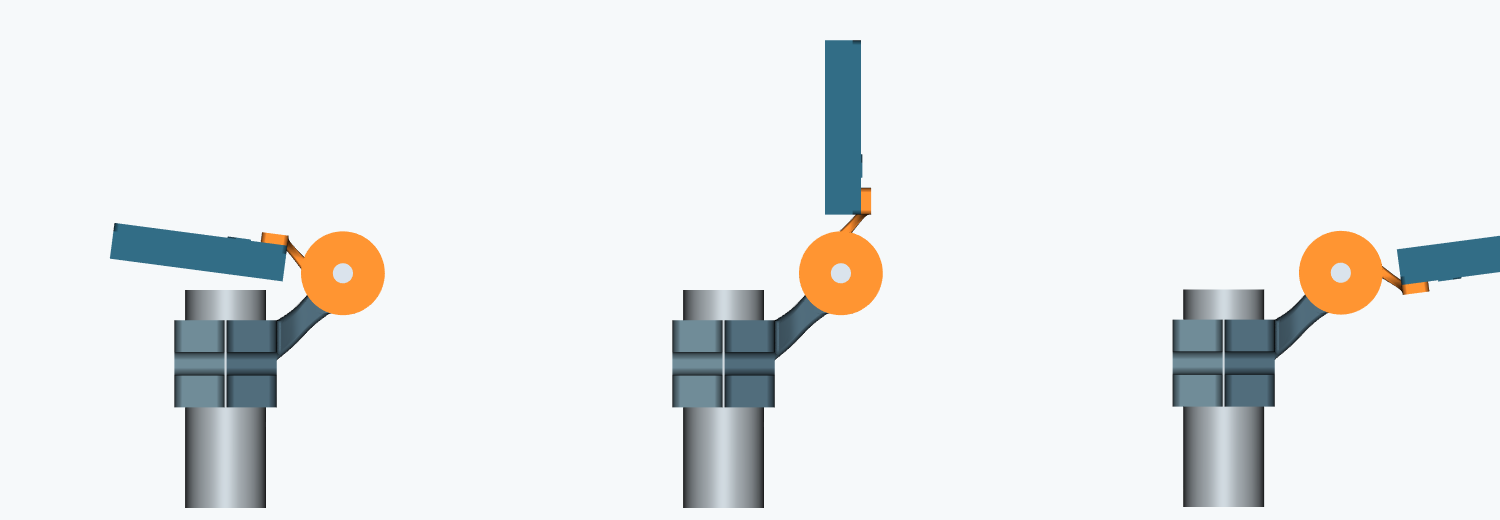
- Wider tilt: ±82.5° (165° total), collision-checked in CAD at every step.
- Clamp arm reshaped so the bolt head or nut can sit flush and tighten fully.
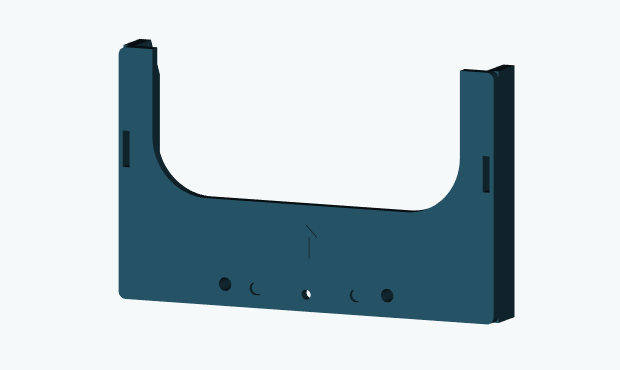
- Lower rear panel and raised arrow so an upside-down phone camera is blocked.
- Curved, webbed corners to stiffen the replaceable phone cradle.
CAD views
Renders from the updated design: the full assembly, the indexed pivot, the tilt range and the camera-orientation panel.
The result
The client approved the updated design and ordered a batch of 10 mounts for the field.
Prototype, field test, CAD update, production batch: a short loop that suits custom mounts and brackets for outdoor equipment, where the real conditions only show up once the part is on site.
Where this helps
Field equipment mounts
Phone, camera, sensor and antenna holders sized to your pole, rail or enclosure.
Fast design changes
Site feedback goes straight back into the CAD, so the next version is ready quickly.
Prototype to small batch
Test one, refine it, then print a matched batch in the final material.